Design & aesthetic flexibility
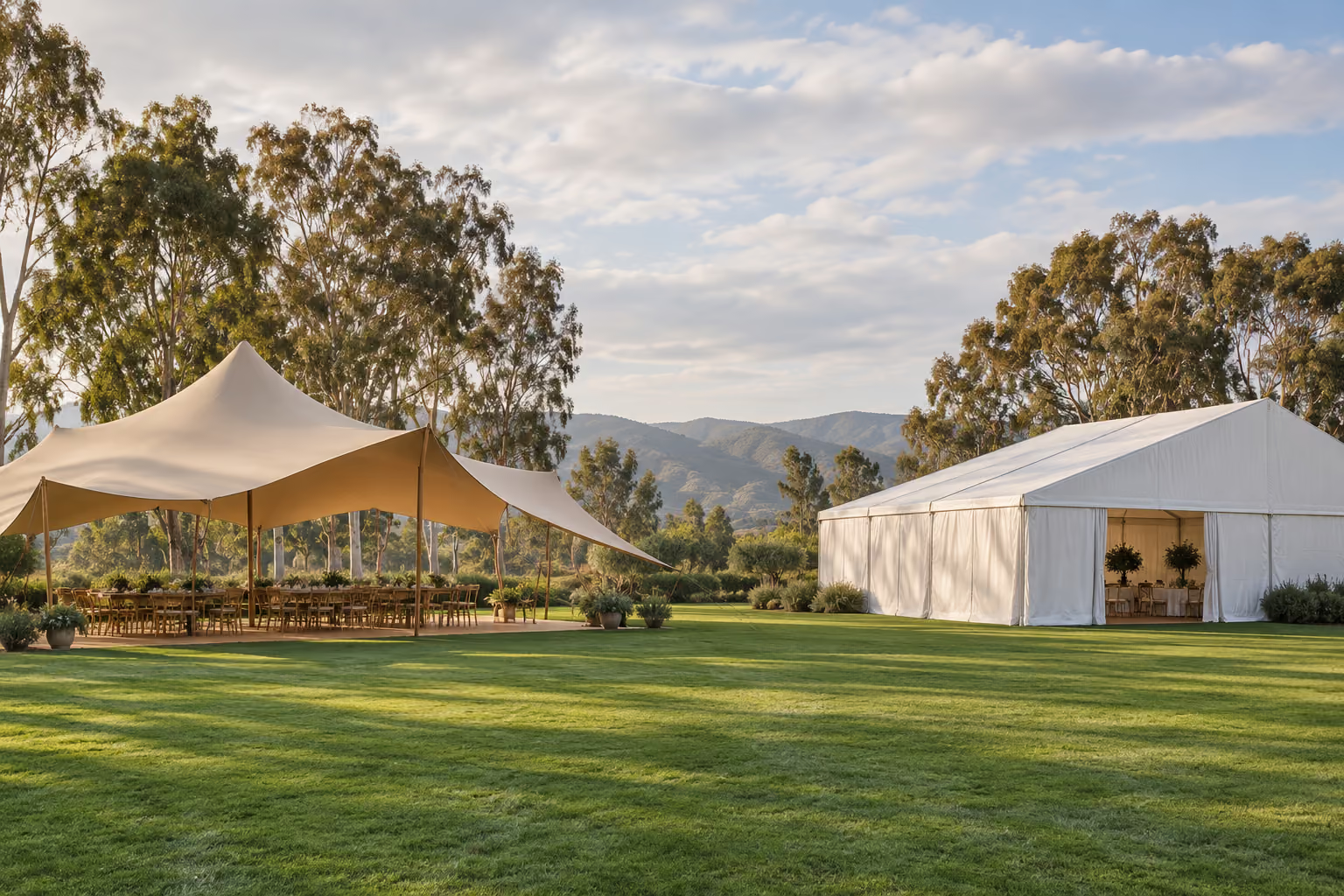
A traditional marquee is structured and symmetrical — straight walls, a rectangular shape, a classic white finish. That makes it predictable and formal, and it works well for black-tie galas or large exhibitions.
A stretch tent, by contrast, is dynamic. The fabric can be shaped to the location and weather: lift some corners, leave sides open, or create a natural silhouette that blends into the surroundings.
Why event planners choose stretch tents:
- Flexible layouts for different event formats
- Unique visual impact
- Seamless integration with landscapes
- A modern, creative look
For brand launches and corporate events, design matters even more — with dramatic lighting a stretch tent becomes part of the stage design, and often turns into a marketing asset in its own right.
Practicality & setup
Traditional marquees usually require level ground, heavier frames, and longer installation times. They're reliable but less adaptable on uneven terrain.
Stretch tents are made of waterproof, long-lasting fabric and can be placed on concrete, sand, grass, or even roofs. The poles and anchor points make flexible placement possible.
Key practical advantages of stretch tents:
- Faster installation in many cases
- Adaptable to different surfaces
- Strong weather resistance
- Modular sizing options
At a windy beach event, installing the tent lower on the windward side keeps the setup stable — where a rigid marquee would likely need extra support. For large exhibitions with fixed booth layouts, though, traditional marquees are often easier to organize.
Atmosphere & guest experience
Guests remember how an event feels, not just how it looks. A marquee often feels enclosed and formal — ideal for gala dinners or trade fairs. A stretch tent feels open and relaxed, with natural airflow and light moving beautifully through the fabric; at night, the right lighting makes it cozy and intimate.
For corporate settings, the flexibility also allows zones — lounge areas, presentation corners, open networking spaces — supporting modern outdoor events where interaction is key.
So, which one is right for you?
Ask yourself three questions:
- Do you want a classic or a contemporary look?
- Is your location flat or complex?
- Do you need flexibility in layout and design?
If you prioritise structure and tradition, a marquee may be the right fit. If you want flexibility, visual impact, and a strong design statement, a stretch tent is usually the smarter choice. Stretch Tent specialises in tailored setups for weddings, festivals, and corporate events — the key isn't just the tent type, but how it's designed for your space.
Why stretch tents are the leading alternative to a marquee
Most people searching for a marquee alternative want the same four things: faster setup, a structure that works on real-world ground (slopes, sand, courtyards), a more contemporary look, and a cost that doesn't include heavy framework. A stretch tent delivers all four — one tensioned membrane instead of a rigid frame means fewer components, quicker installs, and a silhouette that photographs beautifully. Sizes run from ~399 sq ft (small enough to need no installation permit in most jurisdictions) to ~3,230 sq ft, and modular units connect edge-to-edge for larger events.
FAQ
What is the best alternative to a marquee? For most outdoor events, a stretch tent — it installs faster, adapts to uneven ground, and gives a modern sculptural look that a rigid marquee can't. Sailcloth and clear-top tents are alternatives too, but they need flatter sites and more framework.
Are stretch tents weatherproof? Yes — high-quality ones are fully waterproof and wind-resistant when properly installed.
Which option is better for uneven ground? Stretch tents usually adapt better thanks to their flexible anchoring system.
Can stretch tents work for formal corporate occasions? Absolutely — with professional lighting and interior design, they look elegant and premium.